

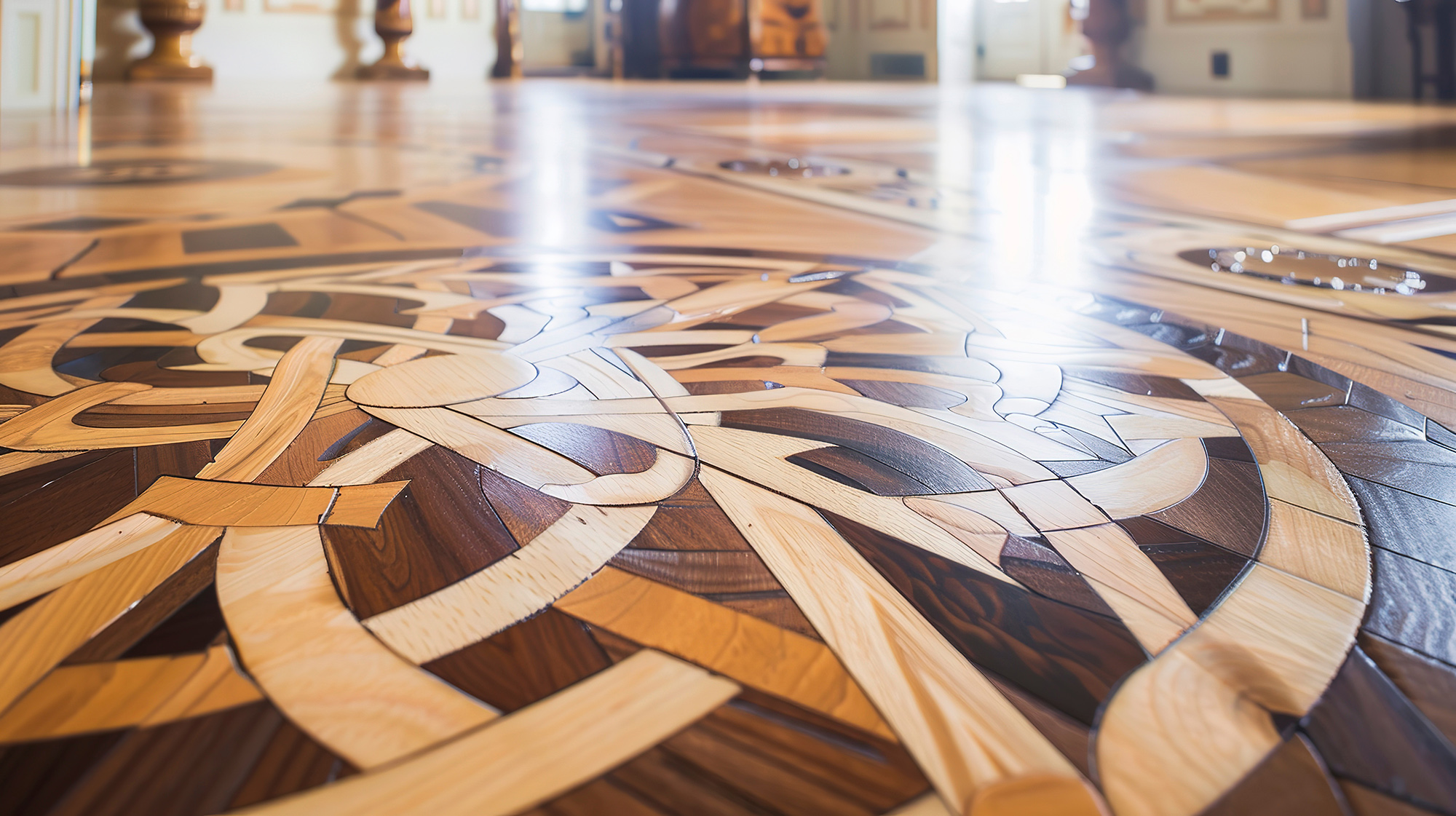
A change in flooring color can alter the entire atmosphere of a home. Honey-toned boards can feel traditional and warm, while a lighter natural finish may make a room appear more open and contemporary. Deep brown floors can add contrast, and a carefully chosen neutral stain can help older hardwood coordinate with updated cabinets, furniture, and wall colors. If your existing floor is structurally sound but no longer suits your design preferences, you may not need to replace it to achieve a different look.
Hardwood refinishing can sometimes provide an opportunity to change the color of the existing wood. The result depends on the species, the current stain and finish, the depth of previous treatments, and the condition of the boards. For homeowners in Plano, Texas, understanding these factors before selecting a color can help set realistic expectations and prevent an expensive renovation from producing an unwanted result.
Can Hardwood Floors Be Stained a Different Color?
In many cases, yes. If the existing hardwood has enough usable material and its condition allows sanding, the old finish may be removed and a new stain applied before a protective coating is added. This can make a meaningful difference in the floor's appearance without replacing all the boards.
However, changing color is not as simple as applying a new stain over the old finish. Existing coatings can prevent the stain from penetrating evenly, and the previous color may continue to influence the result if it is not adequately removed. Proper preparation is essential, and the appropriate process depends on the floor's construction and condition.
Some floors may not be suitable for a full color change. Engineered hardwood with a thin wear layer, flooring that has been sanded repeatedly, or boards with deep discoloration may have limitations. Before deciding on a new color, a flooring professional should determine how much material can safely be removed and whether the desired finish is achievable.
Even when refinishing is possible, the final appearance will reflect the natural characteristics of the wood. Grain, knots, mineral streaks, and variation between boards can remain visible. The aim is to create a finish that works with the existing material rather than expecting every board to look identical.
Why the Wood Species Influences the Final Color
Different wood species respond differently to stain. Their natural color, grain structure, and absorption characteristics influence the way a new finish looks. A stain that produces a soft brown on one type of hardwood may appear darker, warmer, or more uneven on another.
Oak, for example, has a distinctive grain pattern that remains visible under many stain colors. Maple often has a more subtle grain and can be challenging to stain uniformly without appropriate preparation. Other species have their own characteristics that affect the final appearance.
The condition of the boards matters as well. Areas exposed to sunlight may have changed color over time, while sections beneath rugs or furniture may look different. Previous spot repairs can also affect stain absorption, creating variations that become more noticeable after refinishing.
Before selecting a color, ask for a sample prepared on the actual floor where practical. A generic color chart cannot fully represent how a stain will interact with the wood in your home. Reviewing a sample can reveal whether the result is too dark, too warm, too cool, or too different from the appearance you want.
Can You Make Dark Hardwood Lighter?
Lightening an existing hardwood floor can be more complicated than darkening it. If the current color comes from a surface stain and finish, sanding may remove much of that color, allowing the natural wood tone to become visible again. However, the outcome depends on how deeply the stain has penetrated and how much material can safely be removed.
Some dark discoloration extends into the wood rather than remaining only at the surface. Water marks, certain stains, and chemical reactions may not disappear completely with sanding. In these situations, a lighter stain may not produce the uniform appearance a homeowner expects.
Bleaching or other specialized color-altering methods may be considered for certain floors, but they are not suitable for every species or condition. These processes require professional evaluation and careful adherence to product instructions. They should not be treated as a universal solution for dark or uneven wood.
If your goal is a pale, natural-looking floor, discuss the wood species, current finish, and expected result before committing to the project. A sample is particularly important when moving from a dark color to a much lighter one. It is better to discover the limitations during planning than after the entire floor has been prepared.
Can You Make Light Hardwood Darker?
Darkening a floor may be possible through staining, provided the wood can be prepared appropriately and the chosen product is compatible with the flooring. Deeper brown tones can create a more formal appearance, while medium neutral colors may offer a balance between warmth and contemporary design.
Going darker does not necessarily hide every imperfection. Grain variation, scratches, old repairs, and differences in absorption may remain visible. Depending on the wood and stain, a darker finish can also emphasize certain surface marks or make dust and light-colored debris easier to see.
The existing finish must be properly removed or prepared according to the selected system. Applying stain over an incompatible coating may lead to uneven color or poor adhesion. The flooring professional should explain the preparation process and whether the desired shade is realistic for the floor.
When choosing a darker color, consider the room's lighting and the colors of nearby walls, cabinetry, and furniture. A very dark floor can create striking contrast, but in a smaller or dimly lit room it may feel heavier than expected. Reviewing samples under the home's actual lighting helps you make a more confident choice.
What About Gray, Greige, and Neutral Hardwood Colors?
Neutral finishes can help bridge traditional and contemporary design styles. Gray, greige, and muted brown tones may coordinate with a variety of paint colors and furnishings, but achieving these shades on existing hardwood can be more complex than choosing a color from a sample board.
The natural undertone of the wood affects the result. A warm wood species may influence a gray stain toward a brown or warmer appearance, while differences in grain and absorption can create variation across the floor. The final color also depends on the stain formula and protective finish.
Some homeowners want a cool, consistent gray, while others prefer a softer neutral that retains some warmth. Be specific about the look you want when discussing samples. Words such as gray, natural, or neutral can mean different things to different people, so a physical sample is more useful than a color name alone.
Remember that interior colors interact. A gray-toned floor may appear warmer next to cream walls or cooler beside bright white trim. Compare the sample with the materials already in the room before making a final decision.
Why Sample Testing Is Worth the Extra Time
Sample testing allows you to see how the proposed stain and finish work with the actual wood. It can reveal whether the color looks consistent, whether the grain remains prominent, and whether the finish creates the desired sheen. This is especially valuable when making a dramatic change from the floor's current appearance.
View samples in natural daylight and under the room's evening lighting. Look at the floor from different positions and compare it with cabinetry, furniture, baseboards, and wall colors. If the room has large windows, the color may look different in bright sunlight than it does in a shaded corner.
Ask whether the sample represents the complete proposed system, including the intended stain and protective finish. The final coating can influence the color and sheen, so a stain-only sample may not show the complete result.
Natural hardwood has variation from board to board, and the sample may not predict every detail of the finished floor. However, it provides a much better basis for a decision than choosing a stain by name or screen image alone.
Will Refinishing Remove Every Scratch and Stain?
Refinishing can improve the appearance of surface wear, but it cannot guarantee that every imperfection will disappear. Fine scratches in the finish may be removed during preparation, while deeper marks can extend into the wood. Dents, gouges, dark stains, and previous repairs may remain visible to some degree.
Color changes can affect how these imperfections appear. A new stain may blend some variations while emphasizing others. For example, a strong color can make differences in grain or absorption more noticeable, while a more natural finish may retain the character of the existing boards.
Before work begins, identify any marks that concern you most and ask the flooring professional what can reasonably be achieved. The assessment should distinguish between damage that can be corrected during refinishing and issues that require individual board repairs or a different approach.
If moisture has caused discoloration or distortion, the cause should be addressed before refinishing. Sanding and staining alone will not resolve an ongoing leak, unstable subfloor, or other underlying problem.
How the Protective Finish Completes the New Look
After the color has been selected and applied, the protective finish contributes to the final appearance. Depending on the product, homeowners may be able to choose a low-sheen, satin, or more reflective finish. The exact options vary by manufacturer and finish system.
A lower-sheen finish can create a more understated look, while a higher sheen reflects more light. Neither option should be chosen on appearance alone; the product's performance, maintenance requirements, and compatibility with the stain also matter.
The finish can influence how the stain is perceived, which is another reason to evaluate a complete sample. Follow the manufacturer's instructions for application, ventilation, drying, curing, and when furniture and rugs can return to the room.
Once the floor is ready for normal use, protect it with suitable furniture pads, regular removal of grit, and approved cleaning products. Avoid excessive water and abrasive cleaning methods, which may damage the finish regardless of the color selected.
When a Color Change Is Not the Best Solution
Although refinishing can provide substantial design flexibility, it is not appropriate for every floor. Boards with insufficient remaining thickness, extensive structural damage, or severe moisture-related problems may require repairs or replacement. Some engineered hardwood products may not support the sanding or color change needed for the desired result.
If the existing wood cannot safely achieve the target color, a new hardwood product may offer more predictable options. Replacement also provides an opportunity to change plank width, species, or construction, but it introduces additional material and installation considerations.
The decision should begin with the condition of the existing floor and the appearance you want to achieve. A professional assessment can help determine whether refinishing is practical, whether a more modest color adjustment would be suitable, or whether replacement deserves consideration.
Give Existing Hardwood a New Direction
A different hardwood color can refresh an interior without automatically requiring the existing floor to be removed. The right result depends on the wood species, the condition of the boards, the previous finish, and the compatibility of the selected stain and coating. Sample testing and an honest assessment of the floor's limitations are essential when planning a major color change.
Heritage Hardwood Floors helps homeowners in Plano, Texas, explore hardwood options and refinishing services. Learn more about hardwood sanding and refinishing services, or browse the hardwood flooring collection if replacement is also under consideration. To discuss your existing floor, preferred color, and possible finish options, contact Heritage Hardwood Floors. With careful evaluation and the right preparation, your current hardwood may offer more design possibilities than you realize.


