

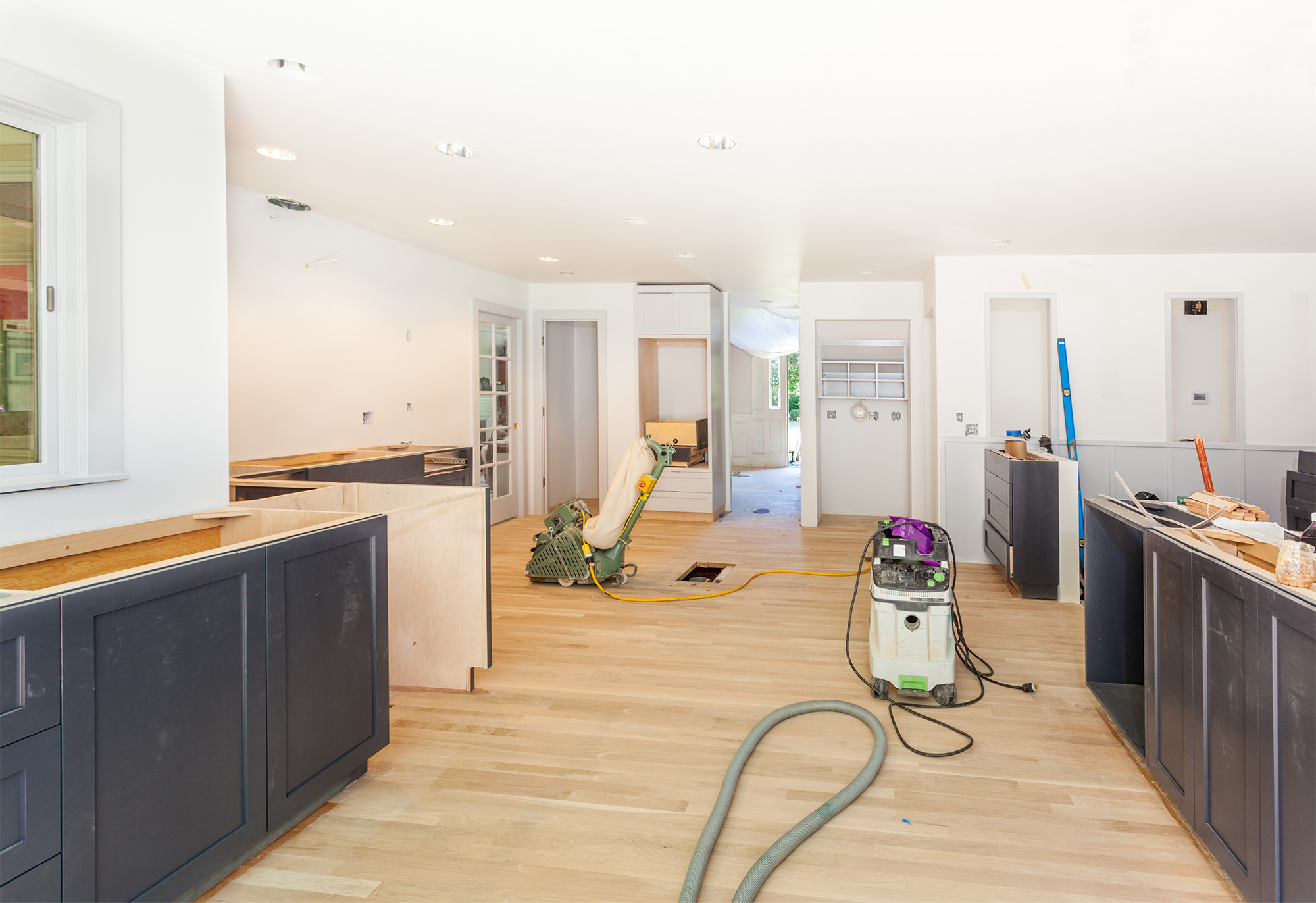
Hardwood floor refinishing can transform a room, but the work involves more than sanding away the old finish and applying a new one. Before the first tool is brought into the house, the space needs to be prepared so the flooring team can work efficiently and the rest of the home is protected. A little planning can make the project easier to manage, reduce avoidable delays, and help everyone understand what to expect.
For homeowners in Plano, Texas, preparing for refinishing may involve coordinating family schedules, moving furniture, managing pets, and deciding how to use the rooms while the floor is unavailable. The exact requirements depend on the condition of the existing hardwood, the finish selected, the size of the project, and the contractor's process. Confirming these details in advance is one of the simplest ways to make the experience more predictable.
Start With a Walkthrough of the Rooms
Before work begins, walk through each room that will be refinished and make a list of the areas included in the project. Identify closets, hallways, doorways, and connected spaces that may be affected by the work. It is also useful to note thresholds, built-in cabinets, staircases, and transitions to other flooring materials.
A clear scope helps prevent confusion about which surfaces are included. If the living room connects directly to a dining area, for example, ask whether the finish will continue seamlessly through both spaces or whether the work will stop at a doorway or transition. The layout can affect the work sequence and where the team needs access.
Point out visible damage, deep scratches, dark stains, loose boards, or areas that have experienced moisture. The contractor can assess these conditions and explain whether additional repairs or preparation may be required. Not every mark can be removed through sanding, so discussing expectations before the project starts is important.
Confirm who is responsible for moving furniture, removing rugs, handling appliances, and disconnecting electronic equipment. Some contractors include specific preparation tasks in their estimate, while others expect the homeowner to complete them. A written understanding helps avoid last-minute delays.
Move Furniture and Personal Belongings
Most refinishing projects require the work area to be cleared. Furniture, rugs, floor lamps, decorative items, and other belongings should be removed from the rooms according to the contractor's instructions. Smaller objects can be packed in advance, while larger pieces may require a separate moving plan.
Do not assume the flooring team will move every item. Confirm whether beds, sofas, dining tables, cabinets, and other heavy furniture are included in the service. If an item cannot be moved safely without special equipment or additional labor, arrange for help before the scheduled start date.
Empty closets if the flooring work extends into them. Clothing and stored items can collect dust, and the team may need access to the entire floor surface. Where built-in furniture cannot be moved, discuss how the exposed edges will be handled and what finish can realistically be achieved around them.
Remove fragile decorations from nearby shelves and surfaces where vibration or movement could cause them to fall. If you have valuable or delicate belongings, store them in a room away from the work area. A little preparation can reduce the chance of damage and make it easier for the crew to move safely.
Plan for Dust and Protection Throughout the Home
Sanding creates fine dust, although the amount that escapes the work area depends on the equipment, containment methods, and condition of the building. Modern dust-control systems can help reduce airborne dust, but homeowners should not assume that every refinishing process will be completely dust-free.
Ask the contractor what dust-control measures will be used and which parts of the home should be protected. Depending on the layout, the plan may involve closing doors, protecting nearby openings, covering selected items, and keeping the work area separate from occupied rooms.
Remove small electronics, decorative objects, and other items from surfaces near the project. Dust can travel farther than expected, particularly in open-plan homes or spaces connected by hallways. The contractor should explain what preparation is appropriate for the specific equipment and work method.
Heating and cooling systems should be handled according to the contractor's instructions and the requirements of the finishing products. Do not independently change ventilation settings if doing so could affect indoor conditions or safety. Ask the team how airflow will be managed during sanding and finishing.
Make a Plan for Pets and Children
During refinishing, the work area may contain equipment, sanding dust, finishing materials, cords, and surfaces that are not ready for use. Keep children and pets out of the work zone throughout the project and until the contractor confirms that the area can be safely reoccupied.
Pets may be particularly sensitive to changes in routine, noise, and unfamiliar smells. Consider arranging for them to stay with a trusted caregiver or in a separate, secure part of the home that is not affected by the work. Make sure doors and barriers can remain in place without interfering with the crew's access or ventilation plan.
Children should have a clear alternative route around the affected rooms. If the project includes a main hallway or a frequently used entrance, ask the contractor whether another route will be available. Establishing these arrangements ahead of time is safer than trying to improvise once the work has started.
Do not rely on a floor looking dry as proof that it is ready for normal use. Follow the finish manufacturer's instructions and the contractor's guidance for re-entry, walking, furniture placement, and cleaning.
Arrange Temporary Living and Sleeping Spaces
Depending on the size of the project, some rooms may be unavailable during sanding, finishing, and curing. Before work begins, decide where household members will sleep, eat, work, and relax while the floor is out of service.
If bedrooms are being refinished, prepare an alternative sleeping arrangement. If the project includes the kitchen or a main living area, set up a temporary place for meals and everyday essentials. Keep medication, important documents, chargers, and frequently used items somewhere accessible so you do not need to enter the work area unexpectedly.
Ask the contractor for an estimated sequence of work and the expected restrictions for each stage. The schedule may change if hidden damage is discovered or if environmental conditions affect the finishing process. It is better to plan with some flexibility than to assume the rooms will be ready at a fixed hour.
If you work from home, consider whether sanding noise or temporary restrictions will interfere with calls and concentration. For larger projects, arranging to work elsewhere during the noisiest stages may make the process more comfortable.
Understand the Finish and Ventilation Requirements
The type of finish selected affects the project's schedule and the instructions that apply during application and curing. Water-based and oil-based products can differ in drying time, odor, ventilation requirements, and the time needed before furniture or rugs can be returned.
Ask which finish will be used and request the manufacturer's care and re-entry guidance. Do not rely only on a general promise that the floor will be ready in a certain number of days. Temperature, humidity, airflow, the number of coats, and the product formulation can influence the process.
Ventilation should be managed according to the product instructions and the contractor's safety plan. Opening windows or running fans without guidance may affect the conditions needed for proper application. If household members have particular concerns about odors or indoor air quality, raise them before the work begins so the product and schedule can be discussed.
Keep the home within the environmental conditions specified for the selected finish. Do not introduce excessive heat or humidity in an attempt to speed up curing. The coating needs the conditions recommended by its manufacturer to develop as intended.
Protect Adjacent Rooms and Existing Surfaces
Refinishing can affect nearby rooms even when they are not included in the project. Doorways, trim, stairs, cabinetry, countertops, and adjoining flooring should be reviewed during the walkthrough. Ask which surfaces will be covered or protected and whether any trim needs to be removed or reinstalled.
If the hardwood connects to carpet, tile, or another material, discuss the transition before the work begins. The existing transition may need to be protected, removed, or adjusted depending on the sanding and finishing plan. Clarifying this early helps the finished floor meet adjoining surfaces cleanly.
Wall and baseboard protection may also be necessary. The amount of preparation depends on the equipment, the room's layout, and the contractor's approach. If walls have recently been painted, mention that before the start date so the team can discuss appropriate precautions.
Keep walkways to the work area clear. This helps the crew move equipment and materials safely and reduces the chance of accidentally contacting nearby furniture or finishes. If other contractors are working in the home, coordinate schedules to avoid conflicts and protect the newly finished surface.
Ask How Repairs and Unexpected Conditions Will Be Handled
Once sanding begins, some conditions may become easier to see. Old stains, previous repairs, uneven color, or damage beneath the finish may not be fully apparent during the initial estimate. In certain cases, the contractor may need to pause and discuss additional work before continuing.
Ask how these situations will be communicated and whether additional work requires your approval. It is useful to understand how the price and schedule could change if damaged boards need repair or if the floor cannot be sanded as deeply as expected.
Some stains penetrate the wood and may remain visible even after sanding. The natural color and grain of the boards can also create variation in the final result. If you expect a completely uniform appearance, discuss this before choosing a stain or finish.
A realistic plan should explain what refinishing can accomplish and what it cannot. The purpose of preparation is not to guarantee that every imperfection will disappear, but to ensure the floor is evaluated properly and the work proceeds with clear expectations.
Know When the Floor Can Be Used Again
After the final coat is applied, the floor may need time before it is ready for normal foot traffic, furniture, rugs, and cleaning. These stages are not always reached at the same time. A surface can feel dry while the coating continues to cure.
Request written instructions for the specific finish used. They should explain when light walking is permitted, when furniture can be returned, whether furniture pads are required, when rugs can be placed, and which cleaning methods are approved.
When furniture is returned, lift pieces instead of dragging them across the floor. Use suitable protective pads and avoid placing heavy items on the surface before the manufacturer permits it. Delay rugs until the recommended time has passed, since they can restrict airflow and may affect the finish during curing.
Continue to use gentle, approved cleaning methods once the floor is ready. Avoid excessive water, abrasive tools, and unapproved chemicals. Good maintenance after the project helps preserve the appearance of the renewed surface.
Make Refinishing Easier With a Little Planning
Preparing your home before hardwood refinishing helps protect your belongings, makes the work area more accessible, and allows you to plan around the temporary disruption. Clearing the rooms, arranging for pets and children, understanding ventilation requirements, and confirming the schedule are all useful steps toward a smoother project.
Heritage Hardwood Floors provides flooring and refinishing services for homeowners in Plano, Texas. Learn more about the company's hardwood refinishing and sanding services, then contact Heritage Hardwood Floors to discuss your home's condition, the finish you prefer, and the preparations required before work begins. With a clear plan and realistic expectations, you can approach your refinishing project with greater confidence and help protect the investment in your hardwood floors.


